What happens after summer?
Analysis of the main issues observed at the end of summer and in autumn. Part II
The alteration of the estrous period, leading to a concentration of calvings towards the end of summer and autumn, often results in overcrowding and an increased number of fresh cows.
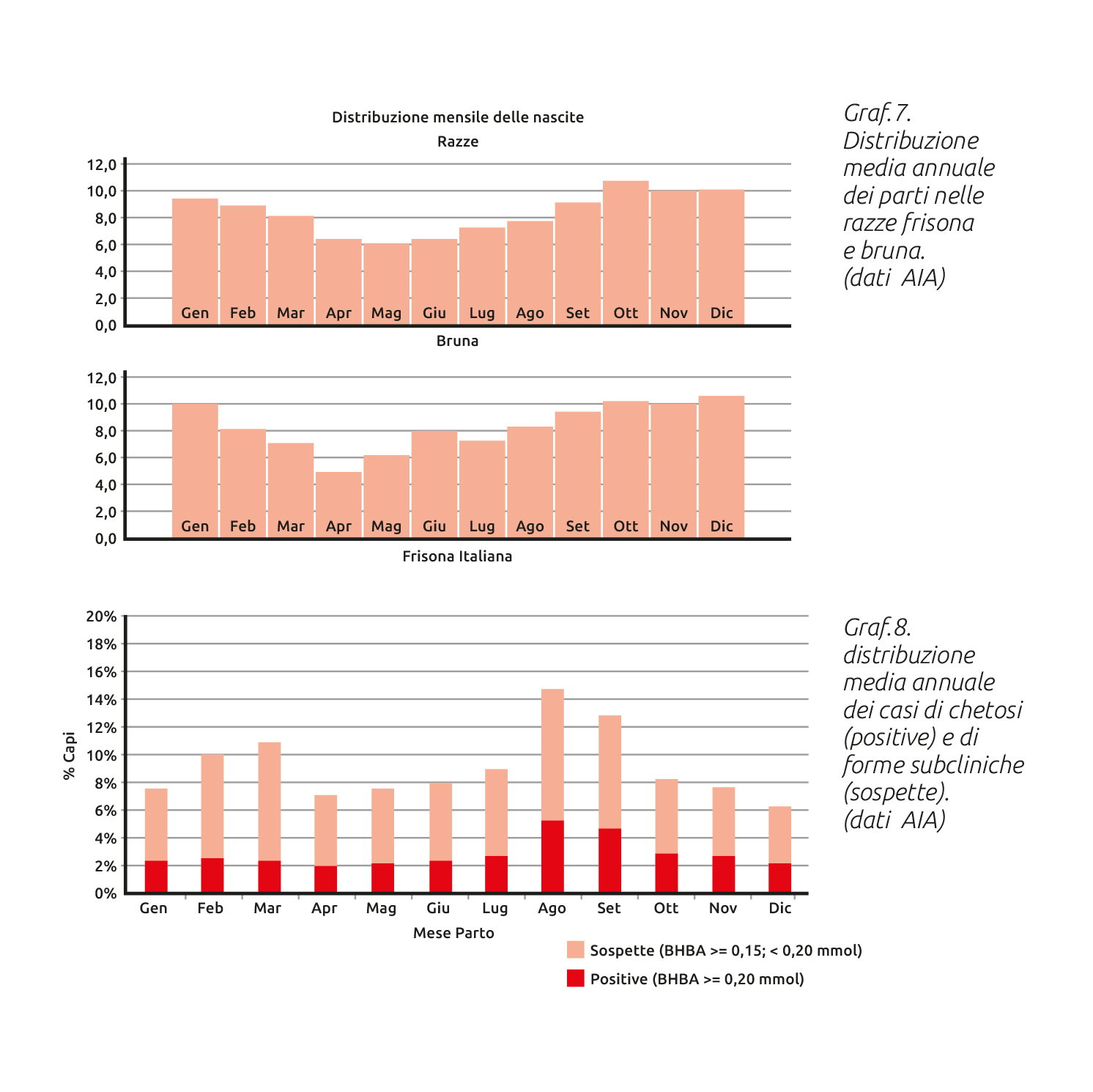
As shown in Chart 7, the calving pattern peaks between late August and throughout autumn. The high number of calvings leads to a large number of fresh cows; these animals will certainly face an energy deficit, which will be more pronounced if the transition period is poorly managed.
Indeed, during this period, the intake of cows does not reach the levels needed to meet production and metabolic needs, resulting in a negative energy balance with an increased risk of ketosis. (Chart 8)
To compensate for this energy deficit, the animal draws on its own body reserves, particularly from adipose, visceral, and skin tissues, resulting in a release of non-esterified fatty acids (NEFA) into the blood.
One of the primary sites where NEFAs are used for energy production is the liver cells (hepatocytes). These fatty acids must enter the mitochondria and be processed in the Krebs cycle; however, they must overcome certain “obstacles” where deficiencies in specific molecules can impair their complete use for energy. In liver cells, NEFAs bind with molecules like coenzyme A to facilitate their entry into the mitochondria.
Transport of NEFA-acyl-CoA across the mitochondrial membranes requires an enzyme (carnitine acyltransferase), making carnitine the limiting factor. The Krebs cycle, which is glucose-dependent, also requires some “complementary” factors (Vitamin B12) that catalyze various chemical reactions. If there is excessive entry of fatty acids into the mitochondria or a deficiency of molecules from carbohydrate metabolism, the process may be incomplete, leading to the formation of ketone bodies that are released into the blood.
Moreover, in cases of excessive mobilization, the fatty acids reaching the liver can be re-esterified and accumulate as triglycerides within the liver cell, leading to a severe condition: hepatic lipidosis (steatosis), which is a pathological accumulation of fat in the liver severely compromising its function.

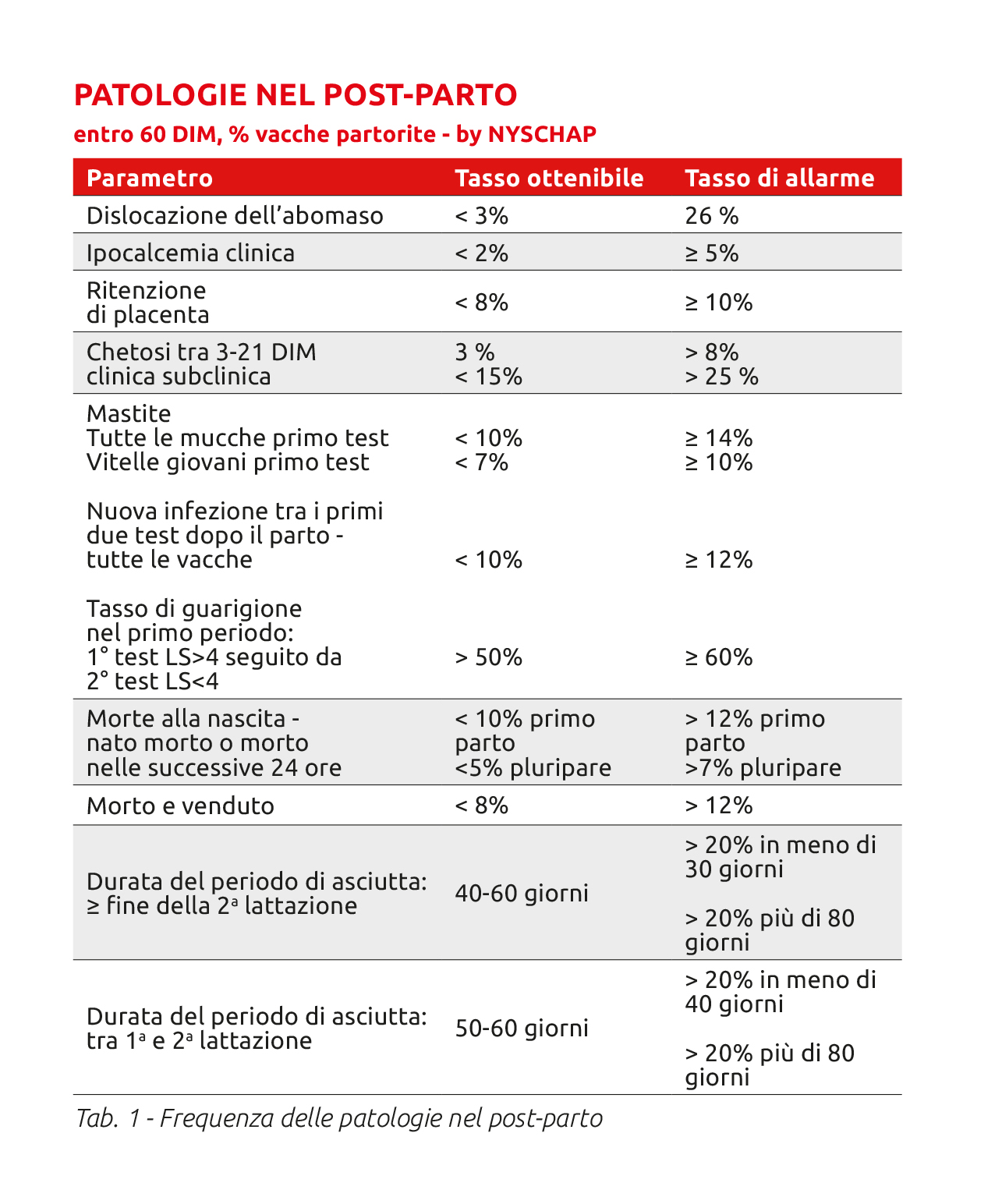
From a metabolic perspective, fresh cows may also face significant health issues (Table 1). Limiting the incidence of diseases is crucial not only because they represent a cost to the farm but also because there is a negative correlation between these diseases and the resumption of productive activity, as highlighted by Opsomer in 2000. For instance, cows with significant BCS changes in the first month of lactation are 19 times more likely to have increased open days compared to cows with moderate weight loss.
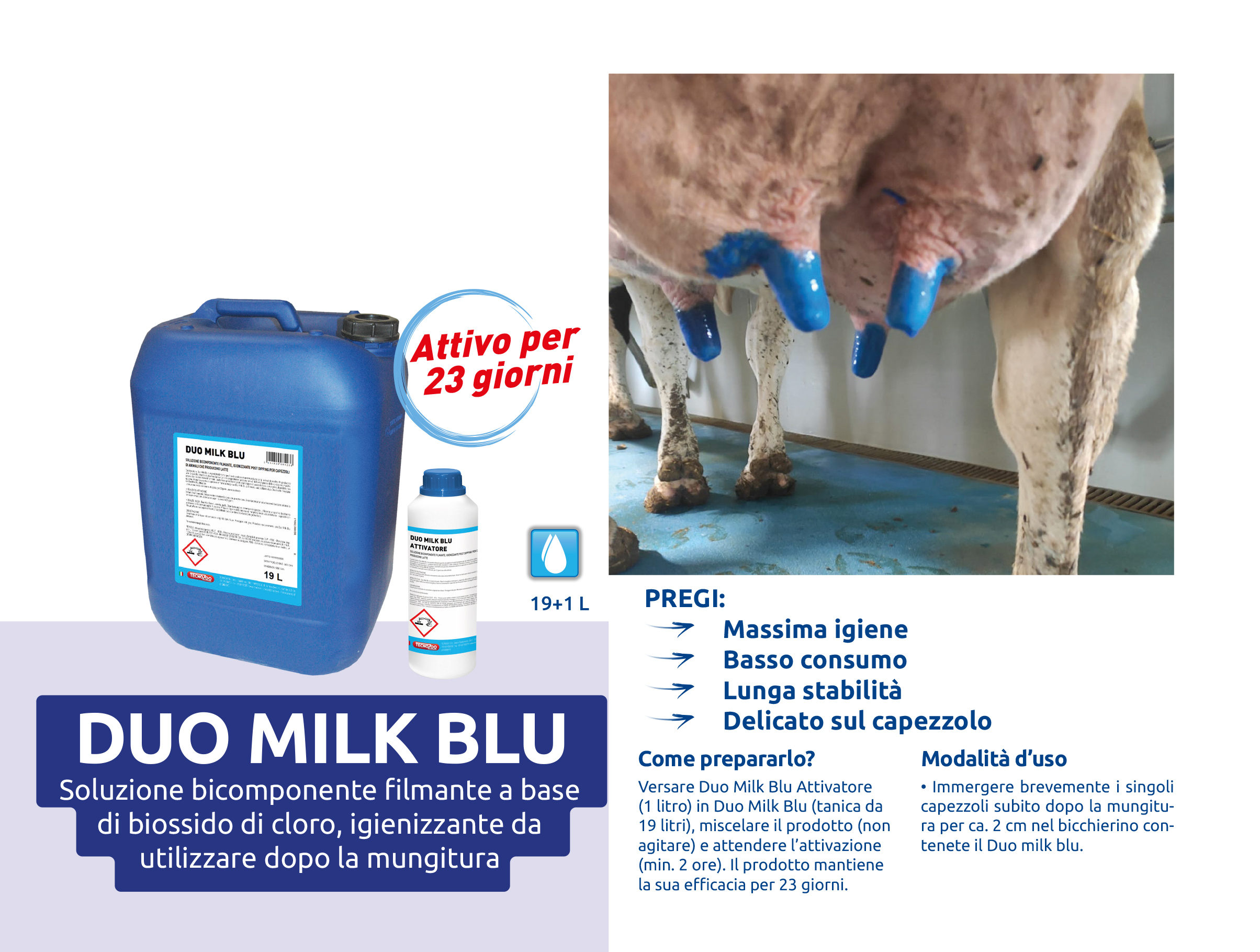
The occurrence of mastitis and increased somatic cell counts should not be overlooked (Chart 9). Therefore, optimal hygienic-sanitary management becomes even more critical, with the use of high-quality post-dipping solutions, based on iodine or chlorine dioxide.
To stay updated with Tecnozoo news, follow us on Instagram or Facebook.