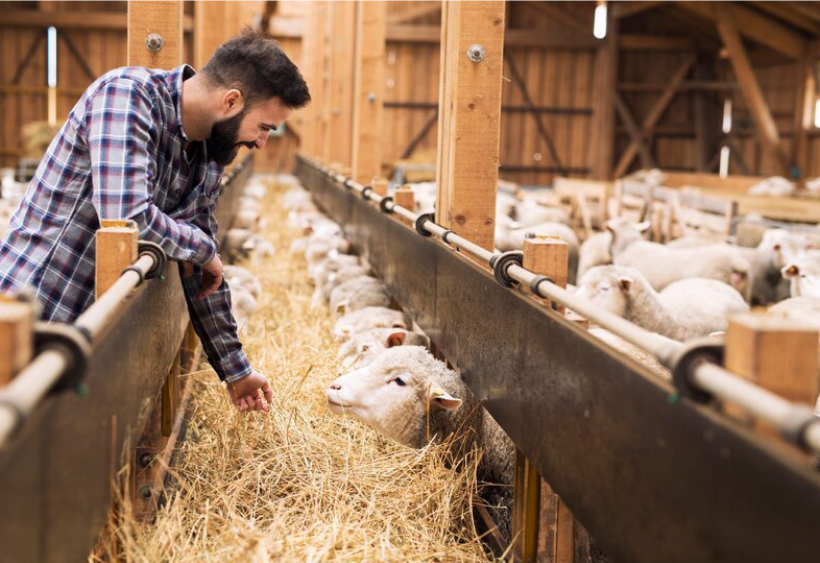

Foot Diseases in Cattle: How to Prevent Them
Management, environmental factors, and genetics are key elements in the development of foot diseases in cattle.
In this article, the Tecnozoo Team will provide practical advice on how to prevent the most common foot diseases typical of every cattle farm.
After discussing lameness, today we will also talk about other issues that can arise in herd management.
Foot Diseases in Cattle: Causes
The most critical period for the development of foot diseases is certainly the time following hot and humid seasons or, in the individual case of the animal, the post-partum period.
Foot diseases manifest due to an altered balance between horn production and consumption, disturbances in peripheral circulation, or an increased risk of foot injuries. These predisposing factors can be grouped into environmental factors (climate and season), housing system (type of flooring and bedding, cleaning systems, space available for animal movement and rest), management (staff employed and approach to animal handling, hygiene level of environments, overcrowding, preventive measures implemented, nutrition), and intrinsic factors to the animal (age, productive stage, weight, previous diseases, breed, claw pigmentation, hierarchical position).
Attention to Flooring
To reduce foot diseases in cattle, it is important to pay attention to flooring: both its design and cleanliness impact the foot health of the animal. Removal of manure is necessary to avoid prolonged contact of the feet with moisture and ammonia. In resting areas, products that quickly dry surfaces and reduce ammonia production can be used. For permanent bedding, it is advisable to provide a daily layer of dry straw or other suitable bedding material.
Tecnozoo has developed LT PLUS for these issues, learn more
Stock Density: How Many Animals?
Another very important aspect when discussing foot diseases in cattle is the density of animals in the barn, which should be such that each animal can spend a sufficient number of hours lying down. Cattle are evolved to spend up to 14 hours lying down, and their anatomical structure is not suited for standing for extended periods. This is why most lameness occurs in autumn: during the summer, animals tend to spend much more time standing as this position allows them to dissipate more heat.
Nutrition: What to Do?
Regarding nutrition, it is important to remember that a balanced diet provides all the elements needed for foot health. Special attention should be given to avoid protein excesses that cause laminitis or mineral deficiencies that lead to reduced horn tissue formation. Specific supplements containing copper and zinc can be useful and should be considered as prevention rather than a solution to an existing problem.
Zinc Deficiency: Try Zincotris P
Nutrition plays an important role in prevention, especially concerning zinc. Tecnozoo has developed Zincotris P to support the animal, learn more in this article
and how Zincotris P can help in the proper management of foot diseases in cattle.
Also Discover Podalik Plus and Pomapodalik
For proper prevention of foot diseases in cattle, Tecnozoo has developed two products suitable for the correct podal hygiene of your animals.
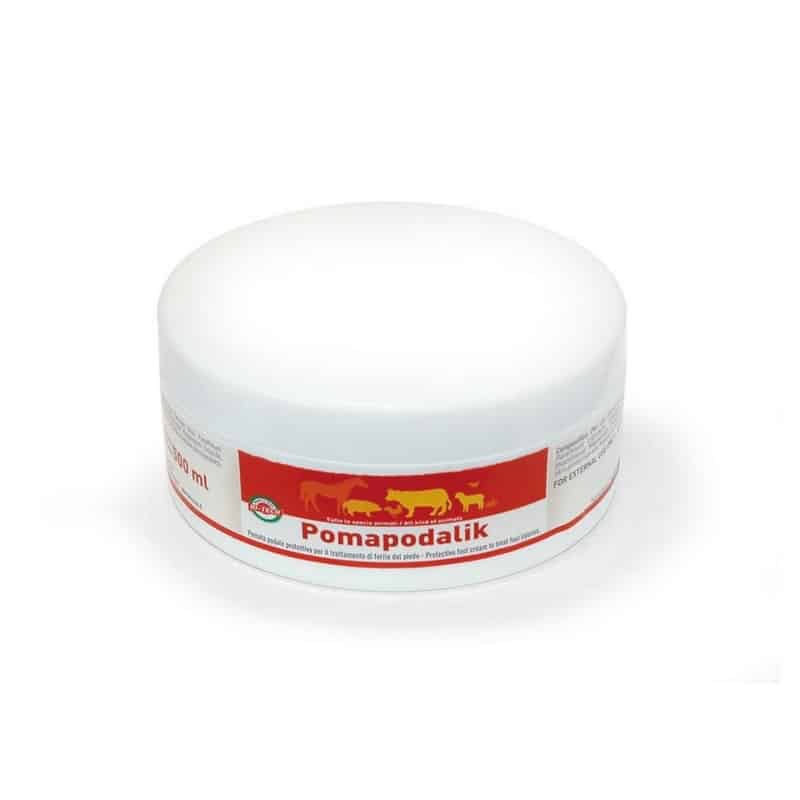
Discover Pomapodalik, an extra aid for external care of foot diseases
Properly clean the animals with suitable detergents. Try Podalik Plus and discover all its features here

Download the hygiene and biosecurity magazine now
Discover all Tecnozoo products, also online