Eating red meat is good for you, science says so
After years of demonizing red meat, recent years have seen a re-evaluation of its benefits: eating red meat is good for your health, in the right amounts.
According to the Adnkronos news agency, doctors and experts have never recommended eliminating red meat, but simply reducing its consumption to avoid excess (as with any food), while paying more attention to processed meats.
The characteristics of red meat
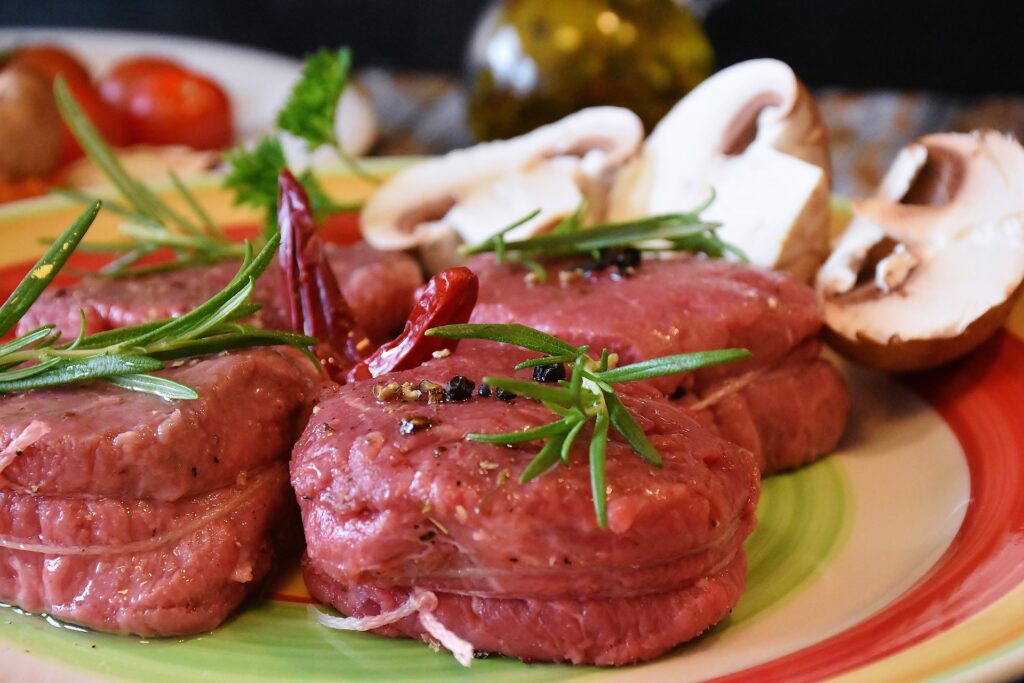
By red meats, we mean: beef, lamb, veal, and pork (although, as we have seen, pork is actually classified differently), but also duck, goose, emu, and ostrich.
Discover all Tecnozoo products designed for your farm
According to Carni Sostenibili, “the high concentration of myoglobin and slow-twitch muscle fibers are the determining factors for identifying red meat, in addition to the pH of the meat similar to that of beef“
Eating red meat is good for you: 5 reasons
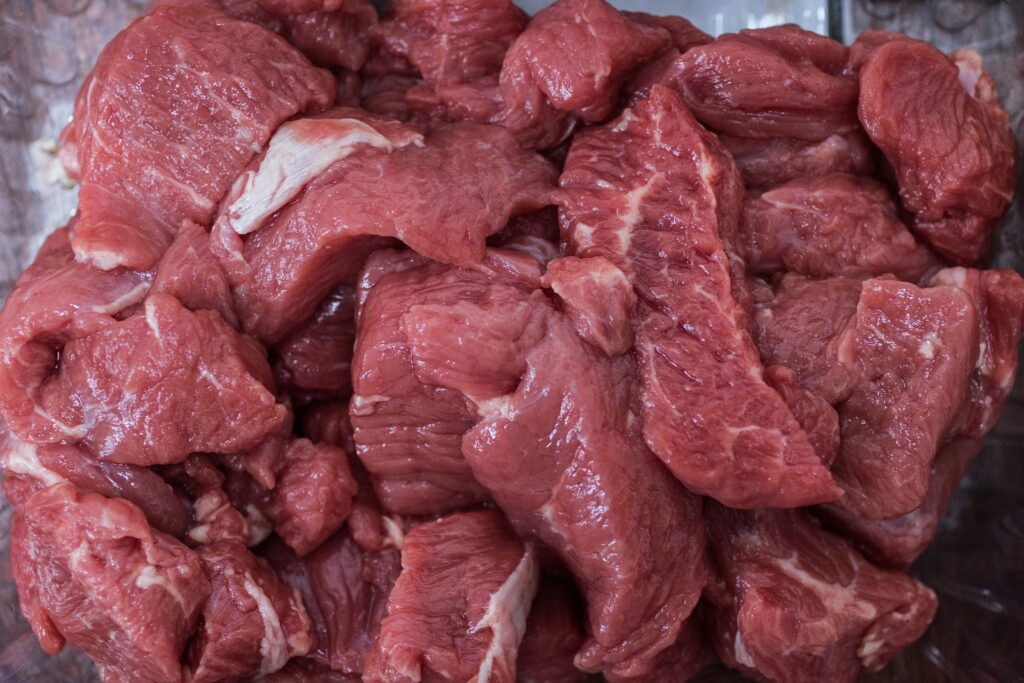
- Red meat does not cause cancer: a proper and moderate consumption of red meat does not affect cancer incidence in any way. As previously mentioned, doctors and experts recommend consuming it moderately and consistently (70 grams per day) for its valuable nutritional content, fresh rather than processed;
- Red meat is rich in Vitamin B12: this vitamin is responsible for cell replication and DNA. A study published in the British Journal of Nutrition has shown that people who do not consume animal-derived products such as meat, milk, or eggs are at risk of Vitamin B12 deficiency.
- Red meat provides energy to the brain: according to the Meat Advisory Panel, the brain alone consumes 20% of the daily energy intake, and red meat helps meet this energy requirement. Additionally, eating red meat is beneficial because it is rich in DHA, an Omega-3 fat that supports cognitive development;
- Red meat provides carnosine: this dipeptide is found primarily in muscles and the brain and helps prevent Parkinson’s and Alzheimer’s diseases as well as combat aging;
- Eating red meat is also beneficial for its selenium and iron content: the latter is 40% bioavailable in the most easily absorbed form by the body.
Red meats compared
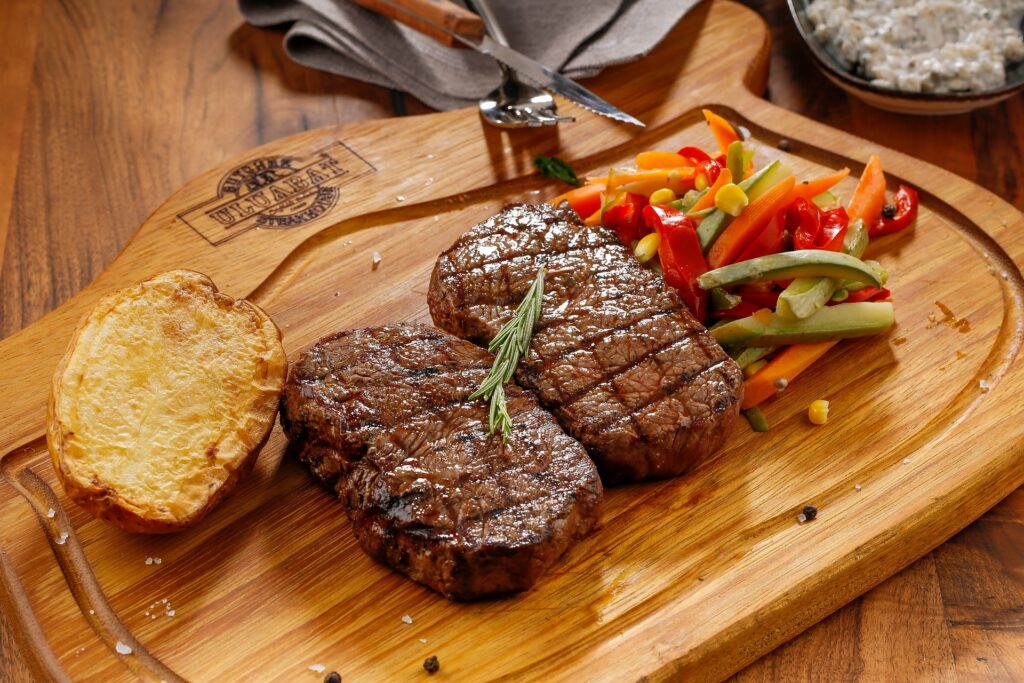
| Red meat (veal, beef, pork, horse, lamb, sheep, goat)Nutritional values per 100 g of edible portion | |||
| Adult bovine or young bull – round | Pork – semi-fat meat | Lamb – semi-fat meat | |
| Edible portion (%) | 100 | 100 | 100 |
| Energy (kcal): | 106 | 141 | 211 |
| Water(g) | 75,4 | 72,5 | 65 |
| Proteins (g): | 21,3 | 19,8 | 19 |
| Fats(g): | 2,3 | 6,8 | 15 |
| Available carbohydrates (g): | 0 | 0 | 0 |
| Total fiber (g): | 0 | 0 | 0 |